




WE ARE IN THIS SOIL TOGETHER!

What if your supply chain stored CO₂ instead of emitting it?

Instead of relying on oil-based synthetic fibres, we reward the cultivation of natural fibres in a results-oriented way and actively promote nature: we are raising the profile of farmers and improving their access to the US$2.4 trillion carbon and nature credit market. 

From cotton to shea butter. From extractive to regenerative.

Cotton, shea butter, olive oil, may rose, ylang-ylang – many raw materials are grown in monocultures under environmentally harmful conditions.  During processing, CO₂ is released and toxic pesticides seep into the soil and water. Farmers can no longer cultivate this land and are forced to cease production.

Fashion and beauty companies rely on these raw materials. To remain sustainable, CO₂ emissions must be reduced and soil must be restored. Regenerative farming practices are the key to the solutio n .

So why not develop a supply chain that sequesters CO₂ in the soil, stores it there and, at the same time, regenerates the earth n ? 

Want n to set up a carbon capture facility within your own supply chain? Yes, it’s possible! Through supply chain insetting with verified carbon removal certificates. Good for farmers, good for the economy, good for the climate, the soil and biodiversity. Is that what you want too? Then please click here:

We understand your supply chains and start where it really matters: on the ground.

from offsetting to insetting

The difference that makes all the difference.

Offsetting Insetting

Offsetting emissions elsewhere:
You buy trees in Brazil, whilst your cotton grows on depleted soil in India.

Invest in your own supply chain:
You invest directly in the cotton farms you already buy from – supporting regenerative practices that build up the soil rather than depleting it. 

→ Your supply chain remains unstable
→ Your supply chain becomes resilient
→ Your farmers will remain poor
→ Your farmers become your partners
→ Your impact is far removed from your business
→ Your impact is measurable and real.
Healthy soils = sustainable soils

Regenerative agriculture turns soils into CO₂ sinks rather than CO₂ sources:

✓ Store CO₂ (up to 1,000 tonnes per hectare)
✓ Stabilise yields (fewer crop failures)
✓ Enhancing biodiversity (thriving ecosystems)
✓ Making supply chains resilient (to climate shocks)

Our solutions

For fashion brands

Regenerative cotton, wool, hemp.

For beauty brands

Regenerative plant-based ingredients, oils.

Regenerative Supply Chain Consulting

Consultancy, implementation, monitoring.

Carbon insetting programmes

CO₂ offsetting in your supply chain.

How we make it possible

Our agency connects fashion and beauty brands directly with farms in their supply chains:

1.

Analysis & Matching

We map out your raw material sources and find the right farming partners to meet your needs.

2.

Implementation

Regenerative practices are being introduced – with training, performance-based remuneration and local support.

3.

Monitoring & Certification

→ Transparent impact tracking (CO₂, biodiversity, soil)
→ Digital certificates for CSRD & ESG-reporting
→ Measurable transformation of your spaces

4.

Scaling

From a pilot project to company-wide transformation – scalable and cost-effective.

The impact

For your business

  • Stability
  • Resilience in the face of crises
  • Sustainable value creation
  • Clear differentiaton

For farmers

  • Fair incomes

  • Climate adaptation

  • Long-term partnerships

For our planet

  • CO₂ storage
  • Biodiversity
  • Soil regeneration

Our partners & supporters

Exist Logo
Leuphana Logo
CSM LOGO
soil sisters cutout

Soil Sisters stand for

… the technological and professional networking of impact-driven stakeholders and harnesses their innovative potential through systemic collaborations.

We’ll set up the project; you’ll help nature and communities thrive.

Explore our blog now

Biochar in cotton cultivation: insights into the use of a nature-based solution for healthier soils and higher yields

Anyone who, like the Soil Sisters, is exploring how agricultural systems can be transformed to strengthen communities, make supply chains more resilient and protect nature will, sooner or later, come across biochar. In today’s blog post, our guest author Inka Sachse examines the technical aspects of how biochar works and offers important expert tips for its practical application by smallholders.

Read more

Become a Case Study Partner

Invitation to co-create
EVE Solutions & Soil Sisters Group.
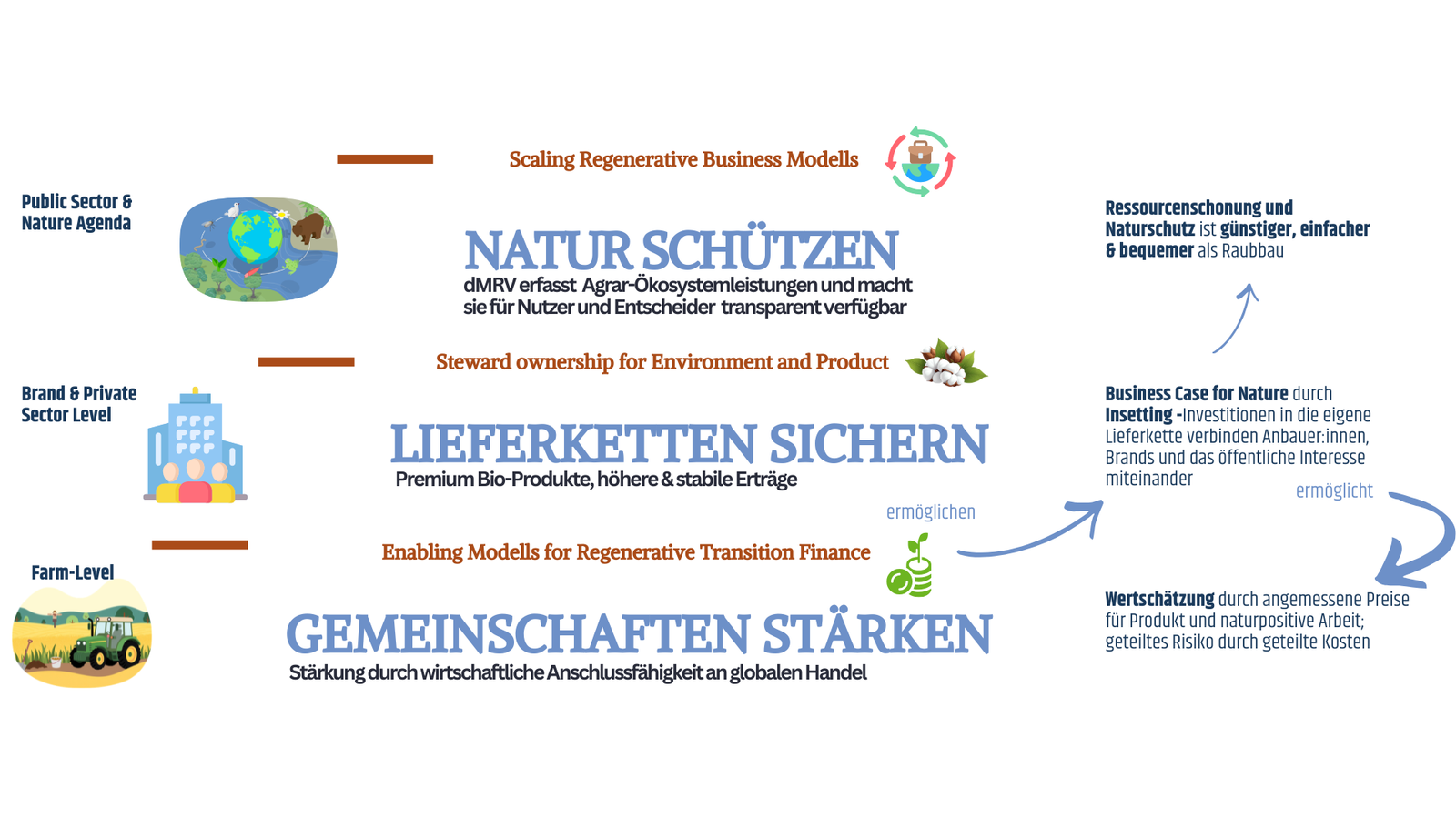
The reality we see: Farmers are the backbone of the textile industry, yet often bear climate risk alone.

Read more

Sign up and never miss a thing!

Scroll to Top

Bereit gemeinsam regeneration neu zu denken?

Schreib uns heute und vereinbare deinen ersten Termin mit uns!